
8 Signature Dental Care Services and All-in-One Dental Solutions for Your Perfect Smile: Available at Nerisa Dental Clinic
Oral health is an important part of overall health, comfort, nutrition, communication, and quality of life. Dental problems can range from plaque and early gum inflammation to tooth decay, infection, tooth loss, and bite misalignment. Modern dentistry combines prevention, early diagnosis, minimally invasive treatment, and rehabilitation to help people keep their natural teeth whenever possible.
This guide reviews eight widely used dental procedures: scaling, teeth whitening, fillings, tooth extraction, dental bridges, root canal treatment, veneers, and braces. It also highlights newer care priorities reflected in current guidance: prevention tailored to each patient’s risk, evidence-informed treatment decisions, careful antibiotic use, and regular follow-up. The best treatment depends on an examination, medical and dental history, and—when indicated—radiographs or other diagnostic tests.
1. Dental Scaling
Purpose and indications
Dental scaling removes plaque and hardened deposits called calculus (tartar) from tooth surfaces and around the gumline. It may be part of routine preventive care. When periodontitis is present, a dentist may recommend scaling and root planing, a deeper non-surgical treatment that cleans below the gumline and smooths contaminated root surfaces.
How it is performed
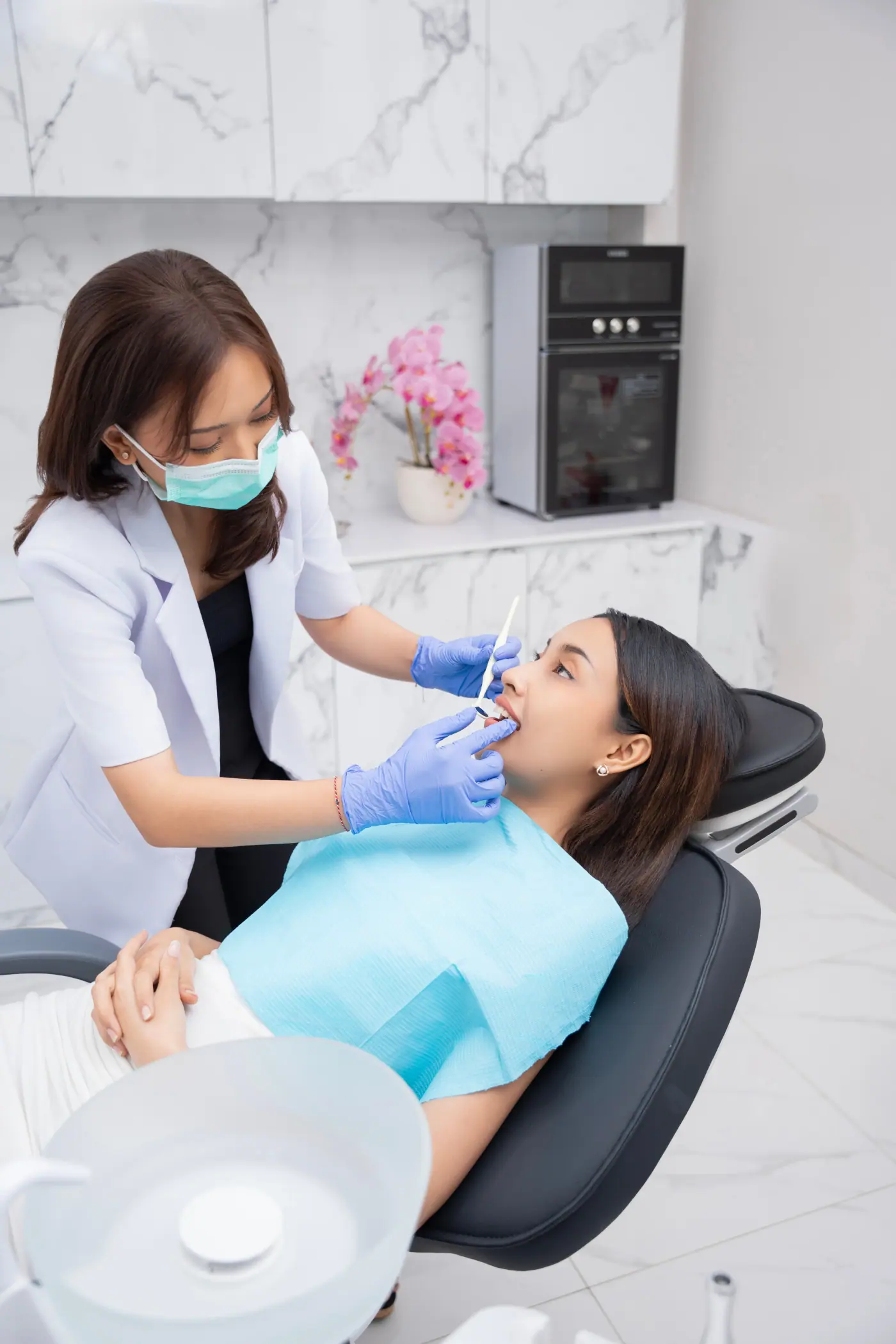
A dental professional assesses the gums and deposits, then uses ultrasonic instruments, hand scalers, or a combination of both. For deeper periodontal treatment, local anaesthesia may be used for comfort. The number of visits and the need for additional periodontal care depend on disease severity and response to treatment.
Benefits, limitations, and aftercare
- Reduces plaque and calculus that contribute to gingivitis and periodontal disease.
- Can improve gum inflammation and bleeding when combined with effective daily home care.
- May cause temporary tenderness, bleeding, or sensitivity, particularly after deep cleaning.
- Brush gently with a soft-bristled toothbrush and clean between teeth daily. Follow the clinician’s specific instructions after deep treatment.
- The recall interval should be based on individual gum health and risk; a 6–12-month interval is common for many patients, but some people need more frequent periodontal maintenance.
Important note: scaling removes deposits but does not replace daily brushing, interdental cleaning, smoking cessation support, or management of conditions that increase periodontal risk.
2. Teeth Whitening
Purpose and options
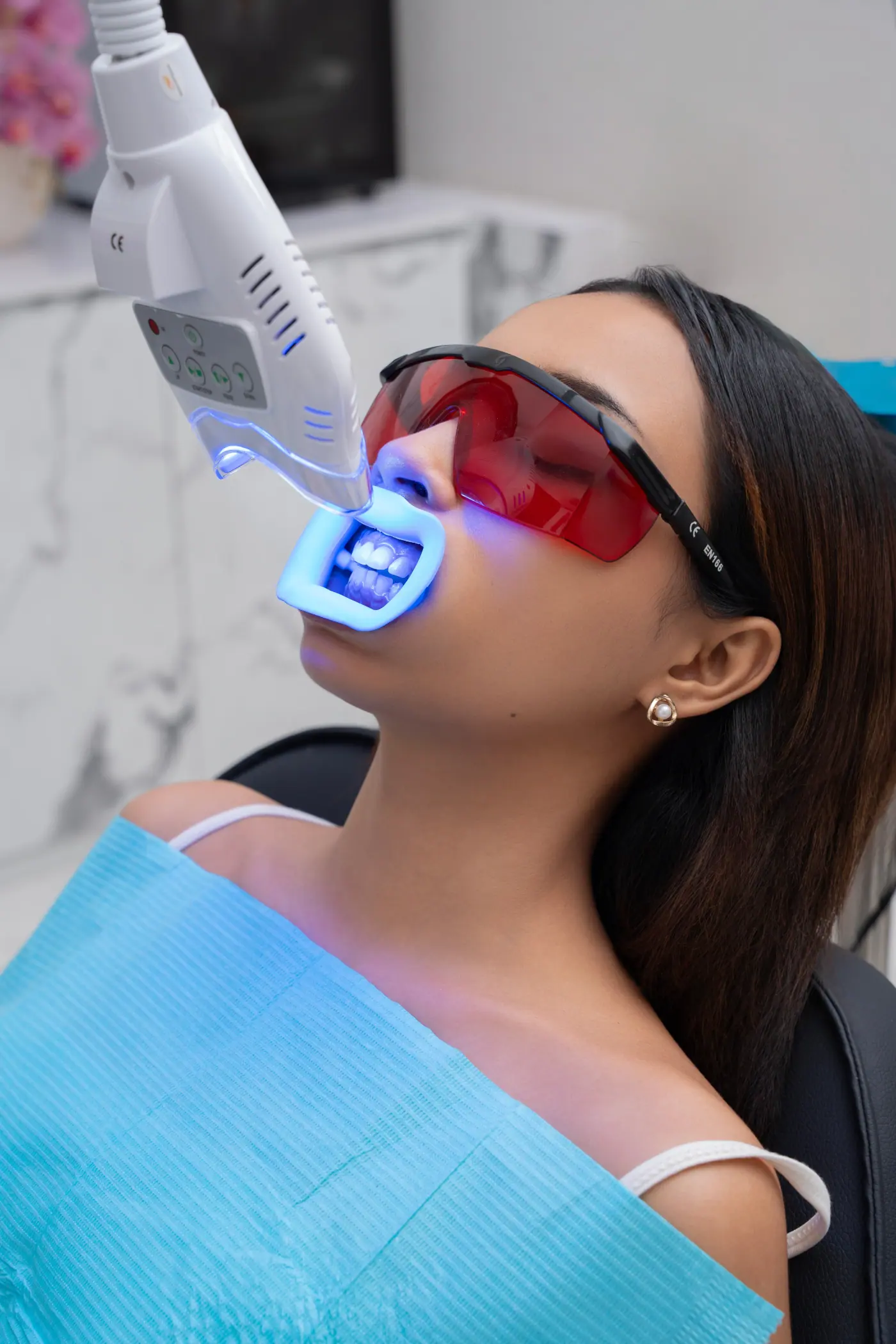
Professional whitening lightens the colour of natural teeth by using peroxide-based products, usually hydrogen peroxide or carbamide peroxide. Options may include dentist-supervised treatment in the clinic or custom trays used at home. Whitening is a cosmetic procedure and is not suitable for every type of discolouration.
Assessment and procedure
Before treatment, the dentist should assess the cause of discolouration, existing restorations, gum health, tooth sensitivity, and the presence of decay or cracks. The gums and soft tissues are protected as appropriate, and the whitening product is used according to its instructions. Results vary with the original tooth colour, stain type, product, and adherence.
Benefits, risks, and aftercare
- Can improve the appearance of natural teeth without removing tooth structure.
- Temporary tooth sensitivity and gum irritation are possible; excessive or unsupervised use can cause harm.
- Crowns, veneers, and fillings do not whiten in the same way as natural enamel, so colour differences may become more noticeable.
- Follow the dentist’s instructions and use desensitising products if recommended.
- Limiting tobacco and frequent exposure to strongly staining foods and drinks can help maintain the result; a restrictive ‘white diet’ is not universally required.
Patients with untreated decay, gum disease, significant sensitivity, or certain types of intrinsic staining should receive a dental assessment before whitening. Avoid unregulated whitening products and products that promise guaranteed dramatic results.
3. Dental Fillings
Purpose and materials
A filling restores a tooth affected by dental caries (decay), a small fracture, or limited wear. Common materials include tooth-coloured composite resin, glass ionomer materials in selected situations, and other materials chosen according to the tooth, the size and location of the defect, moisture control, bite forces, patient preferences, and local clinical guidance.
Typical steps
The dentist examines the tooth and may use radiographs when clinically indicated. If a cavity requires restoration, decayed or weakened tissue is removed as conservatively as appropriate, the area is cleaned, and the restorative material is placed and shaped. Composite resin is bonded to the tooth and hardened with a curing light. The bite is checked and adjusted if necessary.
Benefits and aftercare
- Restores tooth shape and chewing function and helps protect the remaining tooth structure.
- Tooth-coloured materials can provide a natural appearance.
- Temporary sensitivity may occur. Persistent, worsening, or spontaneous pain should be reviewed by a dentist.
- Avoid chewing until local anaesthesia has worn off to reduce the risk of biting the cheek, lip, or tongue.
- The lifespan of a filling varies widely with material, size, location, oral hygiene, and biting habits; no fixed lifespan can be guaranteed.
Prevention remains essential after a filling. Fluoride toothpaste, daily interdental cleaning, reduced frequency of free-sugar intake, and risk-based dental reviews help reduce the likelihood of new or recurrent decay.
4. Tooth Extraction
When extraction may be needed
Extraction is the removal of a tooth when it cannot predictably be restored, when infection or damage cannot be managed by other appropriate treatment, or when removal is indicated for reasons such as selected orthodontic plans or impacted teeth. Whenever feasible, the dentist should discuss reasonable alternatives, expected outcomes, and options for replacing a missing tooth.
How it is performed
A simple extraction is generally performed under local anaesthesia using instruments to loosen and remove the tooth. A surgical extraction may be needed for an impacted tooth, a tooth broken below the gumline, or a more complex case. The procedure may involve an incision, removal of a small amount of bone, or sectioning the tooth.
Recovery and warning signs
- Bite on gauze as directed to help control bleeding and allow a blood clot to form.
- For the first day, avoid vigorous rinsing, forceful spitting, smoking, and drinking through a straw; follow the dentist’s instructions about when to resume normal rinsing and activity.
- Use a cold pack intermittently if advised and take only medicines that are appropriate for you and recommended by a clinician.
- Choose soft foods initially and keep the area clean without disturbing the socket.
- Contact a dentist urgently for uncontrolled bleeding, increasing facial swelling, fever, worsening pain, difficulty swallowing, or breathing difficulty. Breathing difficulty is an emergency.
A painful ‘dry socket’ can occur when the clot is lost or breaks down. The risk is increased by some factors, including smoking. Healing time varies with the complexity of the extraction and the patient’s health.
5. Dental Bridges
Purpose and types
A dental bridge is a fixed prosthesis used to replace one or more missing teeth. A conventional bridge uses neighbouring teeth as supports; other designs may be suitable in selected cases. The dentist considers the health of supporting teeth, gum and bone condition, bite forces, space, cleaning ability, and alternatives such as an implant-supported restoration or a removable prosthesis.
Treatment process
The supporting teeth may need preparation. Impressions or digital scans are taken so a dental laboratory can fabricate the bridge, commonly from ceramic, porcelain-based, or other restorative materials. A temporary restoration may be used while the final bridge is made. The fit, bite, appearance, and cleaning access are checked at placement.
Benefits and maintenance
- Can restore appearance, speech, and chewing function after tooth loss.
- May help prevent neighbouring teeth from drifting into the space, although effects depend on the overall bite and clinical situation.
- Clean under the artificial tooth (pontic) daily using a bridge threader, interdental brush, or another tool recommended by the dentist.
- Attend reviews to check the supporting teeth and gums for decay, inflammation, or changes in fit.
- A bridge does not prevent bone changes at the site of the missing tooth, and the suitability of each replacement option should be discussed individually.
6. Root Canal Treatment
Purpose and indications
Root canal treatment, also called endodontic treatment, treats inflammation or infection in the pulp—the soft tissue inside a tooth. Causes may include deep decay, cracks, trauma, or repeated dental procedures. The goal is to remove diseased pulp tissue, disinfect and seal the canal system, and retain the natural tooth when it can be predictably restored.
Typical steps
After diagnosis and local anaesthesia, the dentist creates an access opening, removes inflamed or infected pulp tissue, cleans and shapes the root canals, and fills and seals them. Treatment may require more than one appointment. A permanent filling or crown is then selected according to how much tooth structure remains and the tooth’s functional demands.
Benefits, recovery, and follow-up
- Can relieve symptoms caused by pulpal disease and help preserve a natural tooth.
- The procedure is normally performed with local anaesthesia; tenderness after treatment can occur and should gradually improve.
- Avoid heavy biting on a tooth with a temporary restoration until the dentist confirms it is safe.
- Complete the planned final restoration and attend follow-up visits; an inadequately restored tooth can fracture or become reinfected.
- Contact the dental team if severe pain, swelling, or symptoms that worsen or fail to improve occur.
Antibiotics are not a substitute for definitive dental treatment. Whether medication is appropriate depends on the diagnosis and signs of systemic or spreading infection; patients should not self-medicate with leftover antibiotics.
7. Dental Veneers
Purpose and suitability
Veneers are thin custom-made coverings bonded to the front surfaces of selected teeth. They may improve the appearance of certain stains, chips, small gaps, or shape irregularities. They are primarily cosmetic and are not the best solution for every patient. The dentist should assess enamel availability, gum health, bite, tooth grinding, and less invasive alternatives.
Procedure and considerations
Depending on the case and the type of veneer, preparation may involve removing a small amount of enamel; some cases may be suitable for minimal-preparation approaches, but these are not appropriate for everyone. Records or digital scans are taken, the veneer is fabricated, and it is bonded to the tooth. Porcelain and composite options differ in appearance, repairability, cost, and maintenance.
Benefits and aftercare
- Can create a natural-looking change in tooth colour, shape, or proportions when carefully planned.
- Porcelain generally resists surface staining, but veneers are not indestructible and can chip, debond, or require replacement.
- Avoid using teeth to open packages or biting hard objects; do not chew ice.
- A dentist may recommend a night guard for patients who clench or grind their teeth.
- Because enamel removal can be irreversible, discuss long-term maintenance, potential replacement, cost, and alternatives before proceeding.
8. Orthodontic Braces and Clear Aligners
Purpose and options
Orthodontic treatment corrects the position of teeth and, where possible, improves the bite. Options include fixed metal or ceramic braces and removable clear aligners. The appropriate approach depends on the type and severity of the malocclusion, tooth and gum health, patient growth, treatment goals, and ability to follow instructions.
How treatment works
Braces use brackets and wires to apply controlled forces that gradually move teeth through remodelling of the surrounding bone. Aligners use a sequence of custom-made trays and must generally be worn for the prescribed number of hours each day. Treatment plans and review intervals vary; visits are scheduled according to the appliance and clinical needs rather than a universal timetable.
Benefits and aftercare
- Can address crowding, spacing, and selected bite problems and may improve function and appearance.
- Brackets and aligners require careful cleaning. Brush with fluoride toothpaste, clean between teeth, and follow advice about interdental brushes or other aids.
- Temporary soreness is common after adjustments or changing aligners. Contact the orthodontic team for broken appliances or significant symptoms.
- Limit frequent sugary snacks and drinks, particularly when wearing fixed appliances, to reduce the risk of decay and white-spot lesions.
- Retainers are usually needed after active treatment to help maintain the result. Follow the prescribed retainer schedule.
Orthodontic treatment should be planned and monitored by a suitably qualified dental professional. Moving teeth without proper assessment and supervision can damage teeth, gums, or supporting bone.